The Warmth Hierarchy: Why You Can’t Selectively Humanize Your Brand
Feb 17, 2026
Doug Boemler Wareing

I recently had the same conversation with the same company twice in ten minutes. And walked away with two completely different feelings about their brand.
A few weeks ago, I had to change a flight I’d booked through American Express Travel.
I logged into my account, fired up the chat, and got this greeting:
“Thank you for contacting American Express, my name is [NAME]. To proceed, may I know your first and last name?”
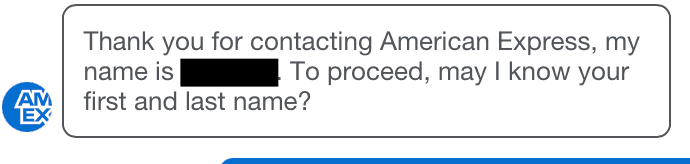
Professional. Efficient. Fine.
They verified my identity, sussed out what I needed, and transferred me to the AMEX Travel team.
That’s when everything changed. My first interaction?
“Hello, Doug. It’s a lovely day here at AMEXTravel.com! My name is Queen. I’ll be your dedicated travel associate to help you today! How can I help you with your existing travel reservation?”
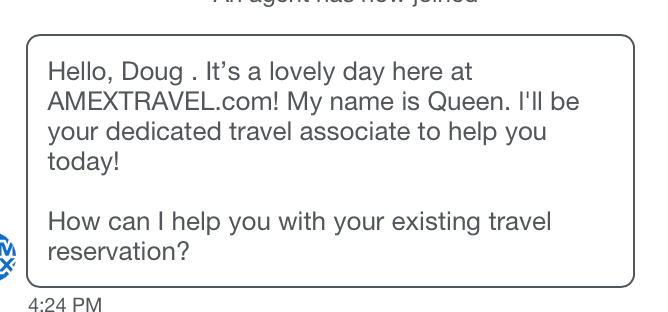
I smiled immediately.
Same company. Same customer. Same day. Two completely different philosophies about how to show up for the person on the other end.
The Warmth Hierarchy
I think a lot of brands treat the guest-facing interactions like a resource allocation problem.
“We have limited training budget, so we’ll invest it where it matters most: front desk, concierge, places like that.”
What about the maintenance team? Or the call center? IT support? Food runner? Might not make the cut.
This is what I call The Warmth Hierarchy: the invisible org chart that decides who gets trained to be human and who gets handed the efficiency script.
And here’s the problem: your guests don’t experience your brand through your org chart.
They experience a continuous relationship. Every interaction either reinforces the promise you’re making or contradicts it.
When Queen greeted me with “It’s a lovely day here” and called herself my “dedicated travel associate,” they did four things the first rep didn’t:
Led with warmth — “It’s a lovely day” vs. “To proceed” sets an entirely different emotional tone.
Personalized the interaction — “Dedicated” made me feel like I had her full attention, even though I’m sure she was juggling other conversations.
Focused on help — Twice they used the word “help.” The first rep used “proceed,” which feels transactional.
Showed up as a human — Come on… your name is Queen? Amazing. That alone made me smile.
These aren’t expensive interventions. They’re language choices. Framing choices. Philosophy choices.
But here’s what’s wild: these two reps work for the same company. Same brand values. Same mission statement probably hanging in both offices.
So why did one interaction feel like I was interrupting someone’s process, and the other feel like I’d just walked into a place that was genuinely happy to see me?
The Selectivity Tax
When you decide that only certain roles “deserve” hospitality training, you’re not making a budget decision. You’re making a brand promise: We’ll be warm when it’s convenient.
And guests feel that inconsistency immediately.
Think about the last time you called to modify a reservation. You’re already slightly anxious. Will they be able to help? Will this cost me more? Will I lose what I booked?
That’s a high-vulnerability moment. High attention. High emotional stakes.


" height="72px" id="As_jgmCUW" transform="translate(-0.001 0.003)" width="72px"/></svg>)
" height="71.73647956215527px" id="km4y7GHd3" width="72px"/><path d="M 30.221 33.674 L 32.241 22.673 L 20.482 22.673 L 20.482 18.782 C 20.482 12.969 22.763 10.732 28.666 10.732 C 30.499 10.732 31.975 10.777 32.824 10.866 L 32.824 0.894 C 31.214 0.446 27.279 0 24.998 0 C 12.968 0 7.423 5.679 7.423 17.932 L 7.423 22.673 L 0 22.673 L 0 33.674 L 7.423 33.674 L 7.423 57.613 C 10.208 58.304 13.121 58.673 16.119 58.673 C 17.595 58.673 19.051 58.582 20.481 58.409 L 20.481 33.674 L 30.219 33.674 Z" fill="transparent" height="58.672799641889654px" id="BI79sF67h" transform="translate(19.879 13.327)" width="32.8241435171297px"/></g></svg>)
" height="72px" id="DUZD5ns98" width="72px"/></svg>)