Chips and Strips: Salt, Loyalty, and the Table Stakes of Brand Equity
Jan 13, 2026
Doug Boemler Wareing
Carly Wilson , our Sr. Account Manager, loves Mexican food.
(Like, really loves it. She over-indexes on affinity, for my analytics nerds.)
So when a client meeting wrapped around noon, we headed down the street and tried a Mexican place neither of us had been to before.
We sat down, they dropped the chips and salsa, we ordered, ate, and chatted. While we waited for the check, I asked Carly what she thought.
She squinched up her face. "Ehh… seven out of ten."
"Only a seven?"
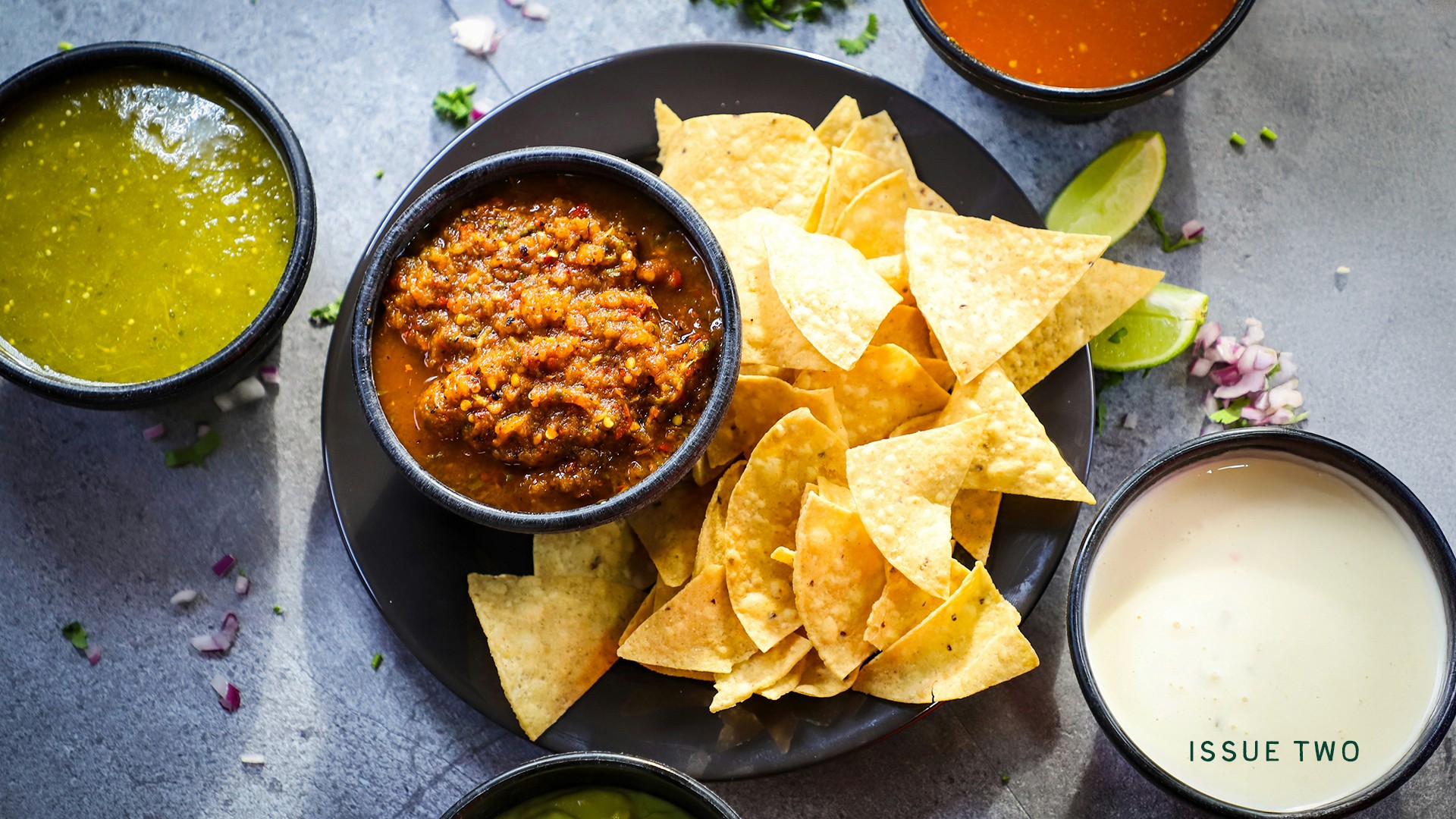
She gestured at the half-eaten basket of chips still sitting between us.
"The chips came out cold. They weren't well-salted. Just... meh."
What's wild is that the chips weren’t even part of what we paid for. They never showed up on the bill. What we actually ordered was fastidiously prepared by a cook on the line.
And yet those free chips—the throwaway "table bread" most Mexican restaurants offer—had quietly set the tone for her entire evaluation of the place.
When I pushed her on it, she said something that stopped me:
"The chips are the one thing I can compare to every other Mexican restaurant. They all have chips."
Table Stakes Are Comparison Points
The reality hurts: your guests are benchmarking you on the boring, expected things everyone in your category does.
Not your signature experience. Not your unique differentiator. They're starting with the stuff you've dismissed because "everyone does it."
Think about the last time you stood at a hotel front desk after a long flight, watching the clerk click through screens while you silently wondered how long this was going to take.
Or the bag check line at the theme park that keeps moving—or suddenly doesn't.
Or the embarkation process that sets the mood for the entire week.
And chips.
These aren't "extras." They're the primary lens through which guests evaluate you against your competitors. If you're just "fine" at the expected, shared moments, you're losing the clearest comparison guests can make.
The chips matter because they're universal. And if you're not excellent at the universal stuff, your differentiation doesn't get the chance to land. Our meal had to get out from under that first impression instead of riding it.
How would it feel to know you lost a customer not because of some big failure, but because of something as easy to fix as cold chips?
The TGI Fridays Strips
Now let me tell you about a different chip experience.
TGI Fridays (not a Mexican restaurant) also gives you free chips when you sit down. But! Only if you're a member of their Stripes loyalty program.
The chips—thick, rectangular strips probably intended to be a nod to their branding—aren't particularly good. I've eaten there more times than I'd like to admit, and they're always just okay. About the same quality as the ones Carly meh-ed.
But here's the thing: every single time, I smile when they show up.
Usually, it happens the same way. The server sets them down and says something like, "Here you go, since you’re a Stripes member."
And that tiny line changes how the chips feel.
Why? Because I didn't just get them. I earned them. They're a perk. A benefit of my (free lol) membership. A small wink that says I matter here.
Same mediocre fried snack. Same operational cost to produce. Completely different brand moment.
Context Transforms Perceived Value
The functional experience—eating a chip—was identical. But the frame around it changed everything.
At the Mexican restaurant, the chips were obligatory. At Fridays, they were exclusive.
This is the principle: the way you deliver something matters as much as what you deliver.
You don't always need to upgrade the product. Sometimes you just need to upgrade the context.
Is it personalized? ("We noticed you're a returning guest...")
Is it earned? ("Because you're a member...")
Is it telling a story? ("This recipe has been in our family for three generations...")
Is it timed for impact? (Delivered at arrival vs. mid-experience vs. departure)
Your existing operations—things you're already doing, already paying for—can become experience-defining moments if you reframe why and how they happen.
Yes, there are costs associated with loyalty programs, personalization engines, and storytelling training. But the ROI isn't in the chip. It's in how the chip makes someone feel about coming back.
Throwaways Aren't Throwaway Moments
Here's the big idea: The moments you consider low-investment or "just part of the package" are often the things guests remember most.
Guests don’t separate "the real experience" from "the little stuff." It’s all one big messy impression forming in real time.
The cold chips at the Mexican restaurant aren’t just about the chips—they’re about whether this place cares.
And the Fridays strips aren’t about loyalty points. They’re about the quiet decision someone makes about whether this is a place worth coming back to.
You're being judged on:
The stuff you assume is "good enough"
The stuff you think guests won't notice
The stuff that's free, expected, or operational
And if you're neglecting these moments because they seem cheap or obligatory, you're leaving brand equity—and competitive advantage—on the table.
Finding Your Chips and Strips
So how do you apply this? Two audits.
Audit 1: Where Are You Being Compared?
Identify the table-stakes moments where guests are benchmarking you against competitors.
Ask yourself:
What does everyone in our category do?
What's so expected that we've stopped thinking about it critically?
What would a first-time guest compare us to, even if we think we're different?
Then ask: Are we excellent at these, or just acceptable?
If the answer is “acceptable,” that's your work. Because acceptable at the table stakes means you’re losing.
Audit 2: Where Can You Reframe What You Already Do?
Identify existing touchpoints that could deliver more perceived value through better context.
Ask yourself:
What are we giving away that could be earned?
What are we doing silently that could be story-told?
What's standard operating procedure that could feel personal?
What's bundled that could be unbundled and re-presented as a benefit?
You're not necessarily adding cost; you're looking to add meaning.
The Work Is In Noticing
The chips were always there. The strips were always there. The insight isn't about inventing new offerings; it's about seeing what's already in front of you with fresh eyes.
Your "chips" are the places you're being quietly compared and might be coming up short.
Your "strips" are the opportunities to take what you're already doing and make it feel like a gift, a perk, a story.
Both require the same thing: attention.
Not more budget. Not a rebrand. Just the willingness to stop assuming the small stuff doesn't matter. And start treating every guest touchpoint like the moment of truth it actually is.


" height="72px" id="As_jgmCUW" transform="translate(-0.001 0.003)" width="72px"/></svg>)
" height="71.73647956215527px" id="km4y7GHd3" width="72px"/><path d="M 30.221 33.674 L 32.241 22.673 L 20.482 22.673 L 20.482 18.782 C 20.482 12.969 22.763 10.732 28.666 10.732 C 30.499 10.732 31.975 10.777 32.824 10.866 L 32.824 0.894 C 31.214 0.446 27.279 0 24.998 0 C 12.968 0 7.423 5.679 7.423 17.932 L 7.423 22.673 L 0 22.673 L 0 33.674 L 7.423 33.674 L 7.423 57.613 C 10.208 58.304 13.121 58.673 16.119 58.673 C 17.595 58.673 19.051 58.582 20.481 58.409 L 20.481 33.674 L 30.219 33.674 Z" fill="transparent" height="58.672799641889654px" id="BI79sF67h" transform="translate(19.879 13.327)" width="32.8241435171297px"/></g></svg>)
" height="72px" id="DUZD5ns98" width="72px"/></svg>)